
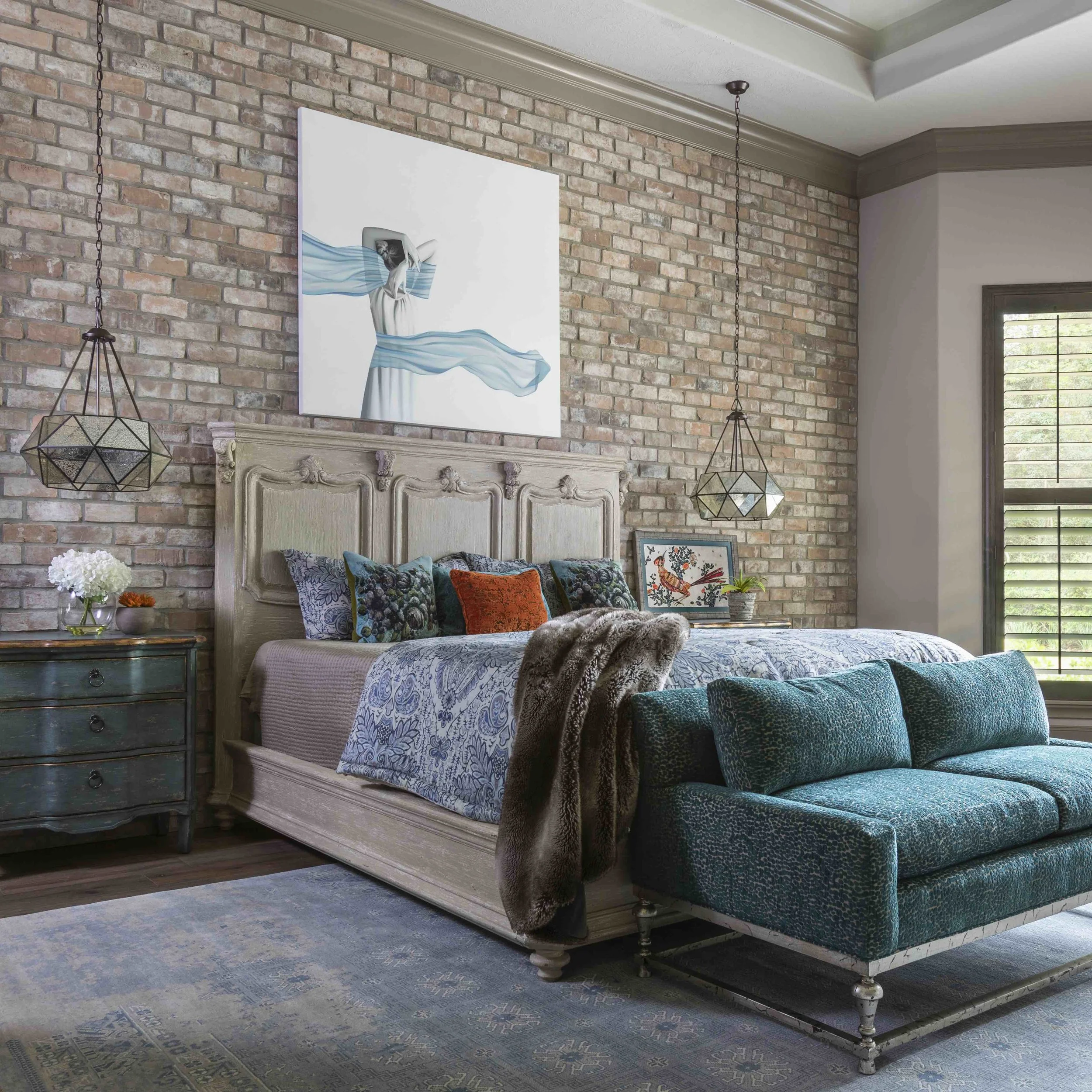
How to Add Vintage Elements to Your Home Without Making It Feel Dated
Published: July 09, 2026
There is something special about a home that feels collected over time. A room filled only with brand-new pieces can be beautiful, but it may also feel a little flat or impersonal. Vintage and antique elements add depth, history, character, and that hard-to-define sense of soul that makes a home feel truly lived in.
The good news is that you do not have to live in an old house, inherit museum-quality antiques, or shop exclusively at antique fairs to bring vintage charm into your home. A few thoughtfully chosen pieces can completely change the feeling of a room. The key is knowing how to mix old and new so the result feels fresh, personal, and intentional — not dated or cluttered.
Here are some designer-approved ways to add vintage elements to your home beautifully.
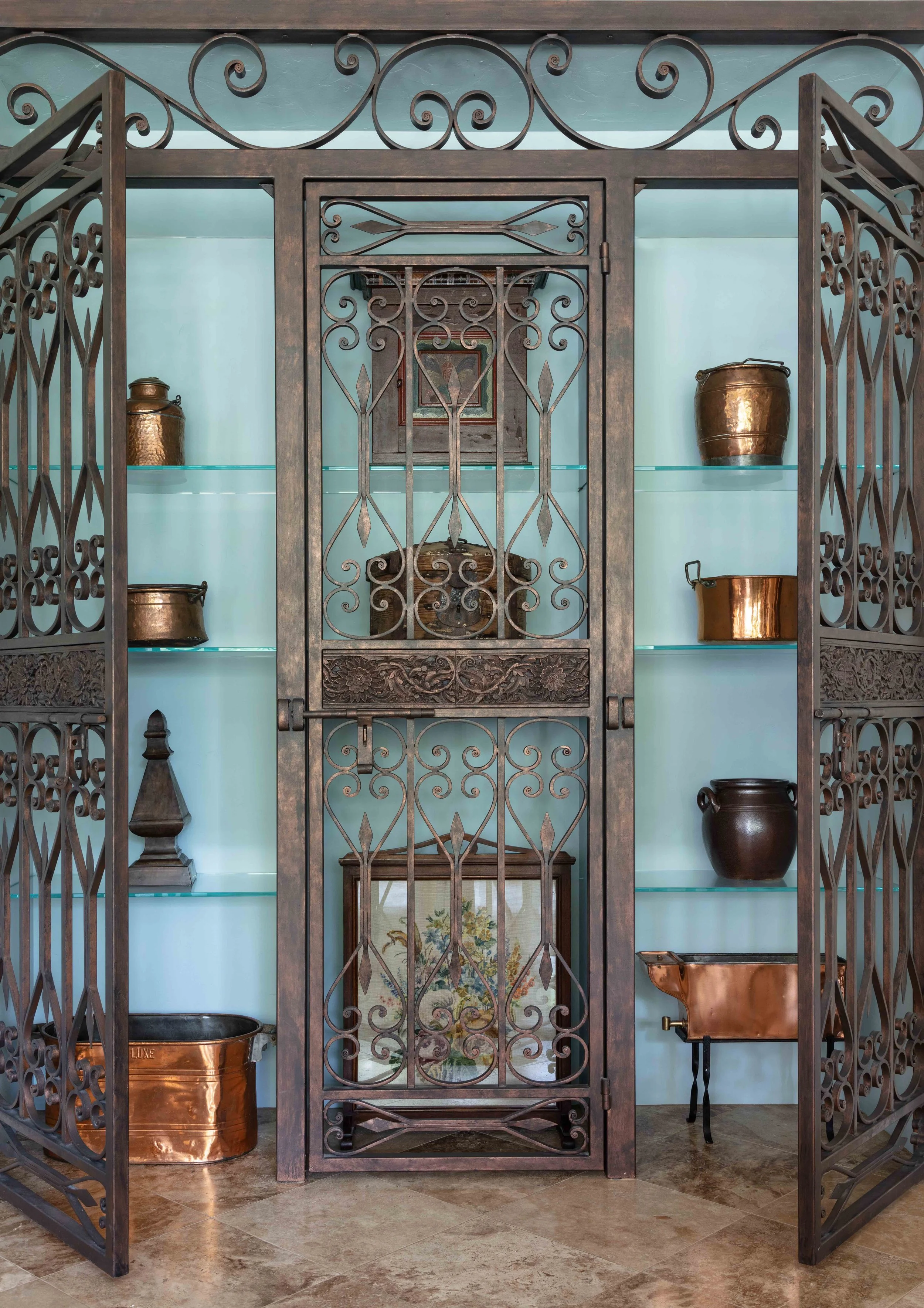
Start Small with Accessories
If you are new to vintage decorating, begin with smaller accessories. They are easy to move, layer, and replace as your style evolves. Think vintage trays, boxes, bowls, candlesticks, pottery, books, picture frames, or small sculptures.
These pieces work especially well on coffee tables, bookshelves, bedside tables, consoles, and mantels. A vintage brass box on a modern lacquered table, a stack of old books beneath a contemporary lamp, or a hand-thrown ceramic bowl on a kitchen island can instantly make a space feel more interesting.
The trick is to avoid scattering too many small items around the room. Group them intentionally. A collection of three or five pieces usually looks stronger than many unrelated objects spread across every surface.
For a practical approach, consider a vintage set of dinner plates, glassware or perhaps use your grandmother’s real silver or silverplate silverware. This adds a touch of elegance to your everyday dining and a sense of history to your home.
Another option is to consider vintage when a need arises – such as a new flower vase or a tray for entertaining.
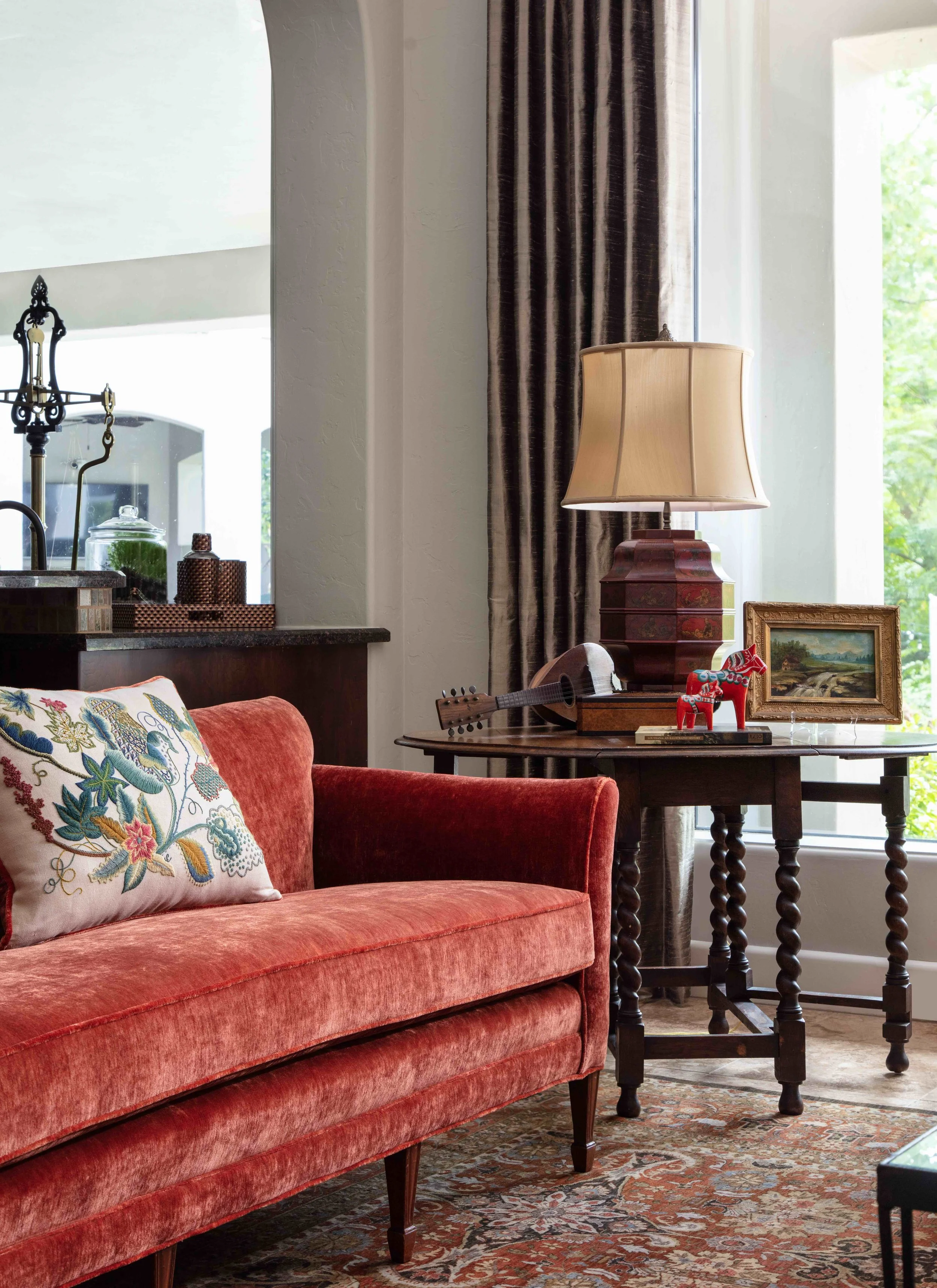
One of the easiest ways to keep vintage decor from feeling old-fashioned is to pair it with clean-lined modern furnishings. Contrast is what makes the room feel alive.
For example, an antique chest can look stunning beneath a modern mirror. A vintage rug can ground a room with a contemporary sofa. A mid-century chair can feel fresh when covered in a current fabric. An old oil painting can look chic against a crisp, neutral wall.
The goal is not to create a period room. Instead, think of vintage pieces as the details that add richness and personality to the overall design.
Mix Vintage with Modern Pieces
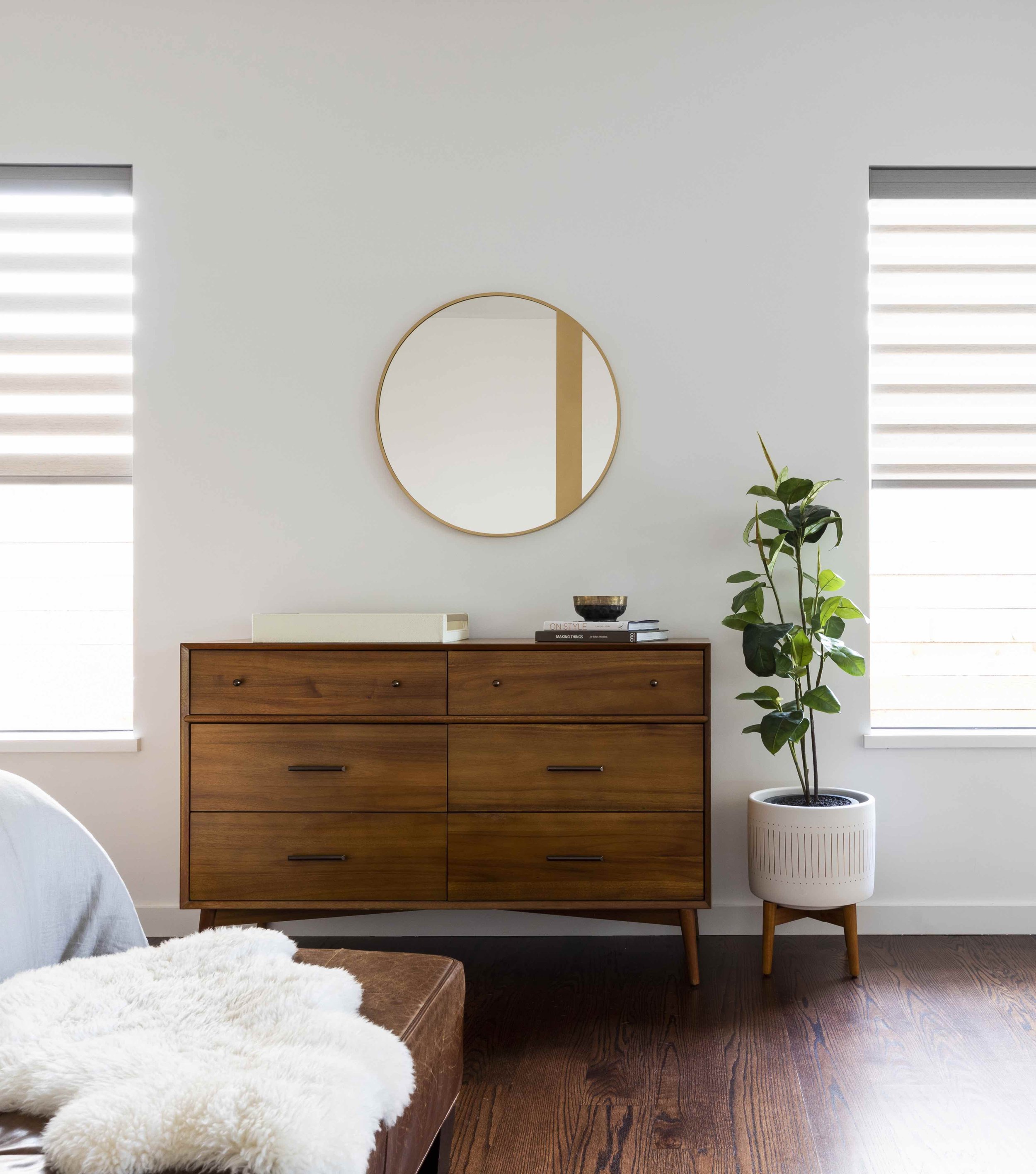
Choose One Statement Piece
A single vintage or antique statement piece can become the star of a room. This might be an armoire, dining table, chest, mirror, chandelier, writing desk, or pair of chairs.
Larger vintage pieces bring instant architecture and gravitas to a space. They often have details that are difficult to find in newer furniture: carved wood, beautiful hardware, hand-painted finishes, unusual proportions, or a patina that only comes with age.
If you are investing in one larger piece, choose something you truly love and can use in more than one way. A vintage chest might work in an entry today, a bedroom later, and a dining room eventually. That flexibility makes it a smart design investment.
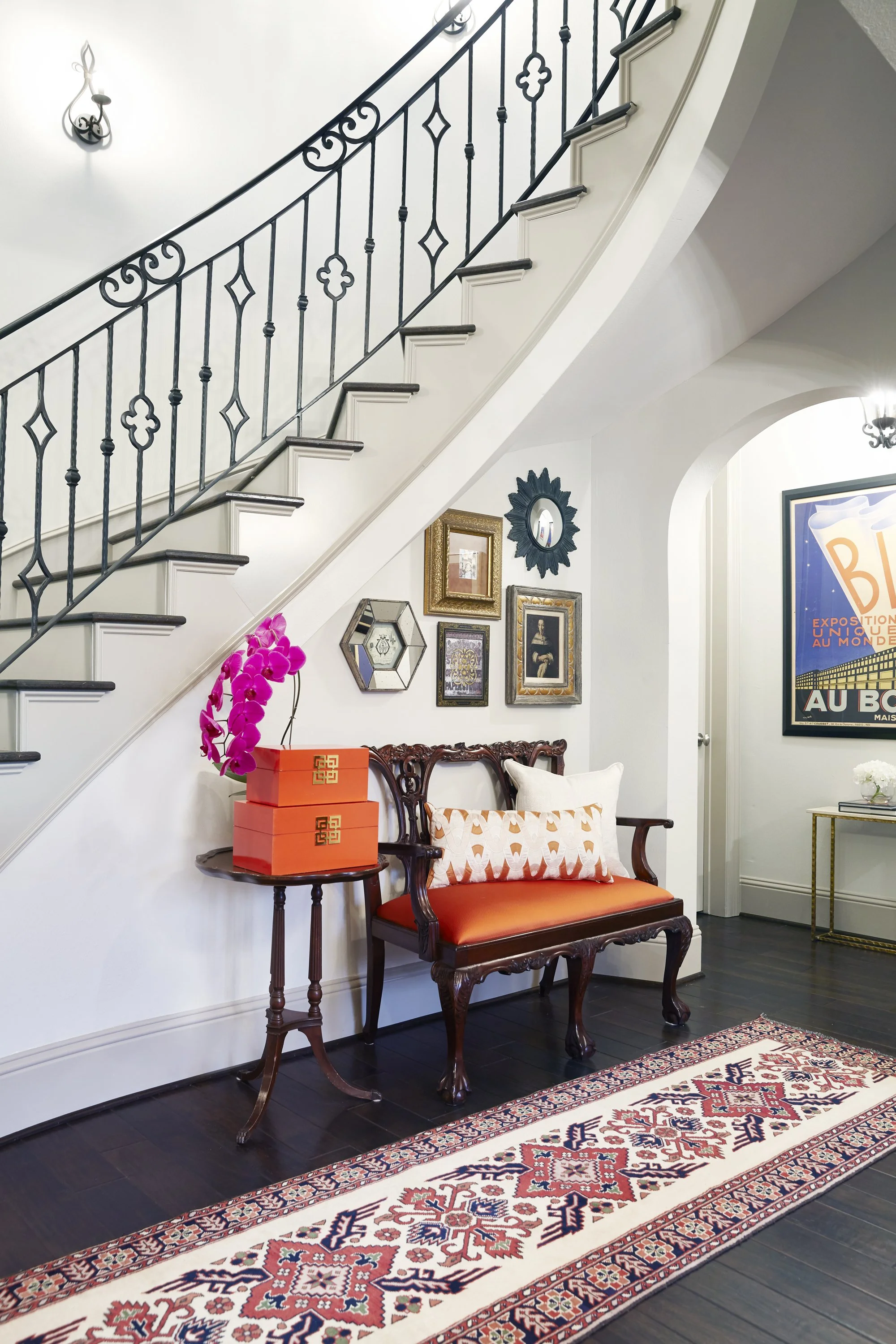
Reupholster Vintage Seating
Vintage chairs, benches, and settees are wonderful candidates for reupholstery. Their frames are often beautifully made, and a fresh fabric can completely transform them.
This is where you can have fun. A traditional chair in a bold stripe, animal print, velvet, or performance fabric suddenly feels updated and full of personality. Reupholstery allows you to preserve the charm of the piece while making it fit your home’s color palette and lifestyle.
Before purchasing vintage seating, check the frame, seat height, comfort, and condition. A good upholsterer can work wonders, but structural repairs can add to the cost. When in doubt, ask a designer or trusted workroom before committing.
Also, ask your upholsterer to make any small repairs needed. Often a few wood screws or some glue will greatly extend the life of your item. They can also clean and condition the wood, paint it a new color just touch-up as needed. Your old chair or ottoman will look and feel brand new and cooler than ever!

Add Vintage Art and Mirrors
Art is one of the best ways to add age and individuality to a home. Vintage landscapes, portraits, botanicals, abstracts, and architectural prints can bring warmth to even the most contemporary interiors.
Mirrors are another excellent choice. A vintage gilt mirror, bamboo mirror, Venetian mirror, or carved wood mirror can add texture and reflect light beautifully. Vintage mirrors are especially lovely in entries, powder rooms, bedrooms, and dining rooms.
Do not worry if the frame has a little wear. That is often part of the charm. A bit of imperfection can make a room feel relaxed and authentic.
Although we do a lot of framing projects for our clients, I often try to reuse the vintage frames and mats when possible. If they are beyond use, then I look for a vintage-inspired frame and mat to keep the vibe going.
Vintage rugs are design magic. They add color, pattern, softness, and history in one step. They can warm up a new-build home, soften sleek architecture, or add depth to a neutral palette.
A vintage rug works beautifully in an entry, hallway, kitchen, powder room, study, bedroom, or living room. If you prefer a quieter look, choose a rug with faded tones or a subtle pattern. If you love color, a vintage rug can be the starting point for the entire room.
Textiles are another easy layer. Consider vintage pillows, embroidered linens, or framed textile fragments. These details bring craftsmanship and texture into a space without overwhelming it.
Layer in Vintage Rugs and Textiles
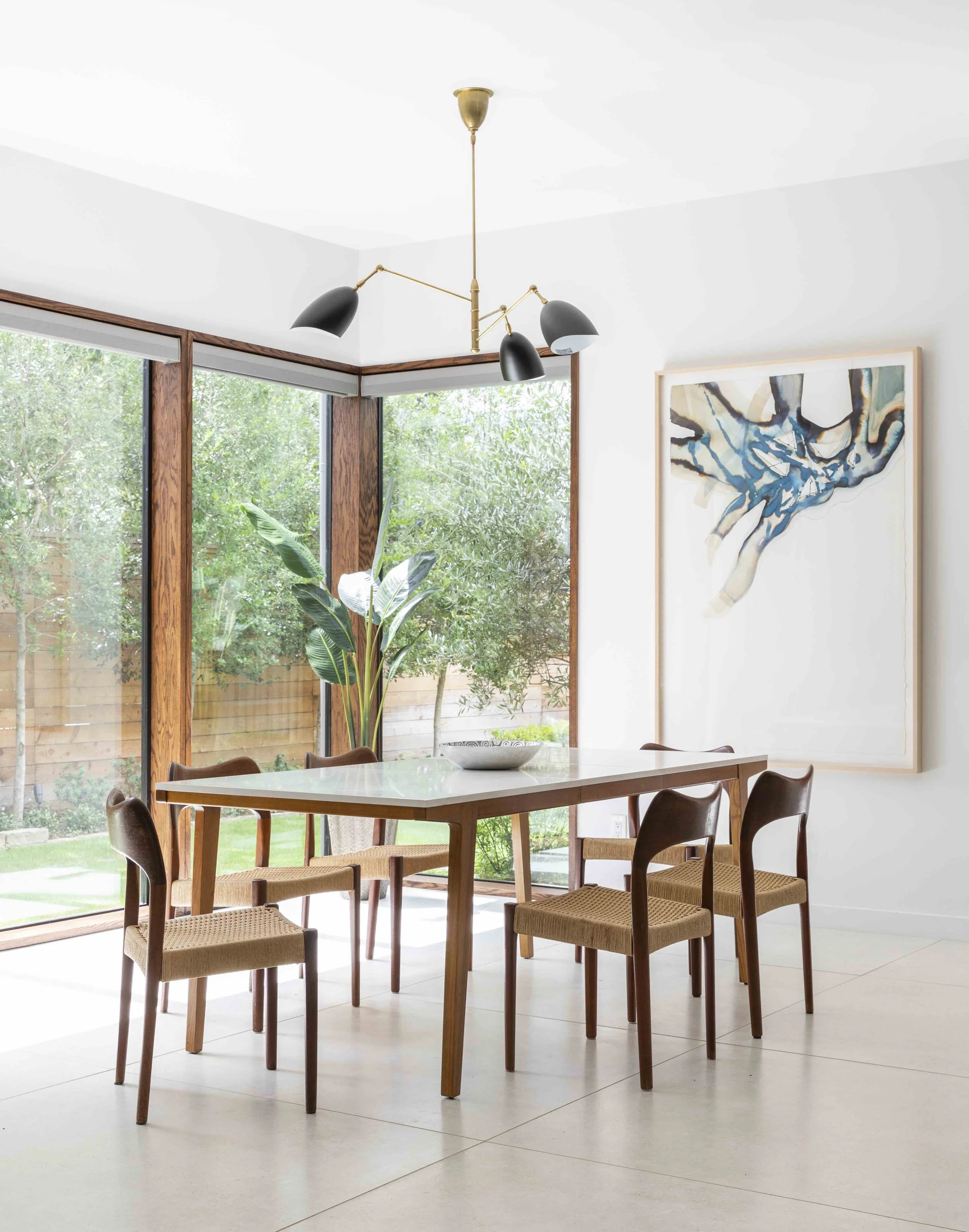
Lighting is often where a room becomes memorable. Vintage lamps, sconces, lanterns, and chandeliers can add sculptural interest and a sense of history.
A vintage lamp on a modern desk or a pair of antique sconces in a powder room can make the whole design feel more custom. Just be sure vintage fixtures are professionally rewired and safely installed. Beautiful lighting should also be functional and safe.
Lampshades can be fragile and often discolor over time. This is another way to mix old and new – top your antique or vintage lamp with a fresh new shade. Take the lamp into a good lamp store where they can help you select the perfect style and size.
Use Vintage Lighting for Character
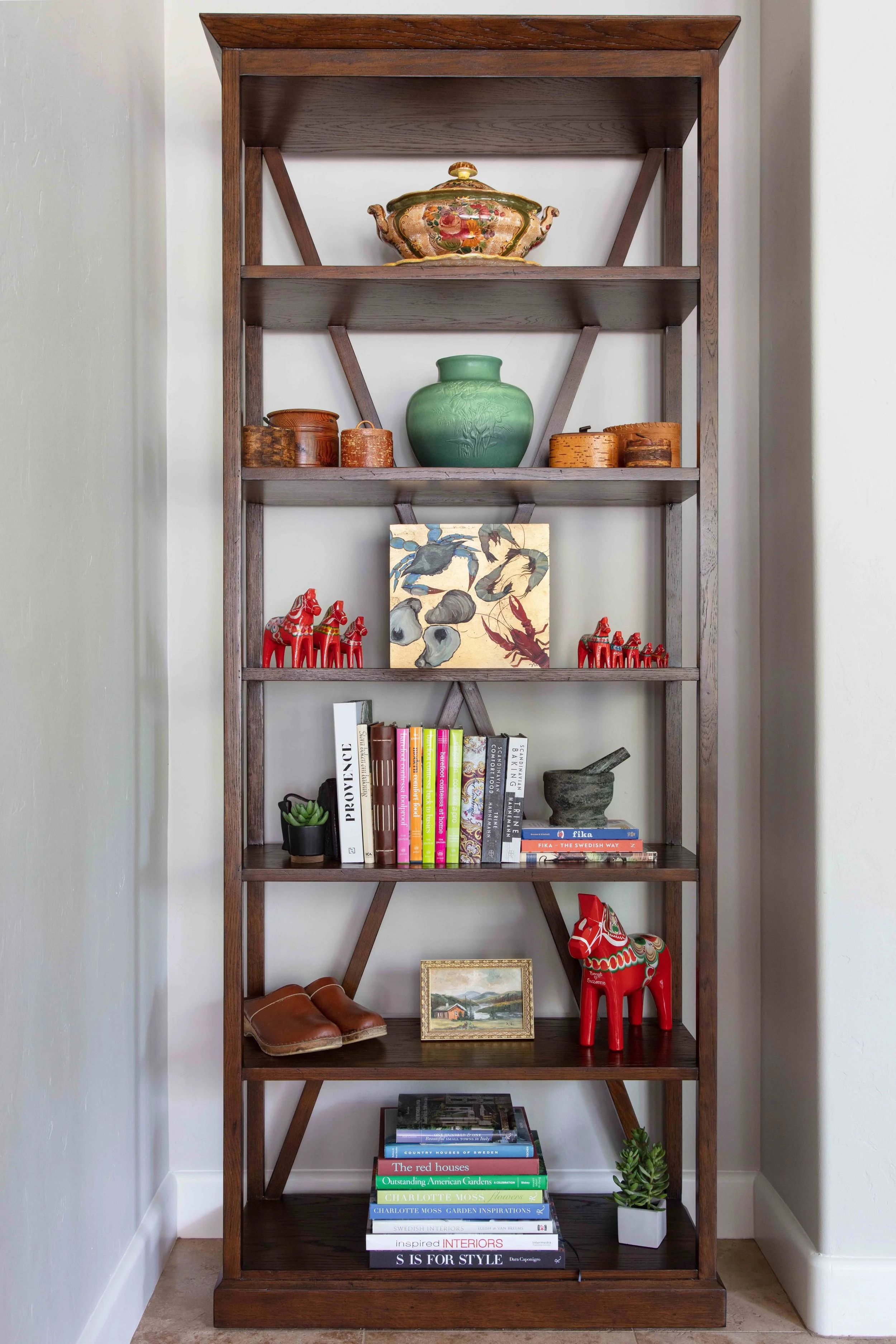
Heirlooms can be some of the most meaningful vintage elements in a home, but they should be used with intention. Not every inherited piece needs to be displayed, and not every piece needs to remain exactly as it was.
A family table might become a writing desk. A grandmother’s silver could be displayed in a modern cabinet. A vintage quilt might be folded at the end of a bed. Old family photos can be reframed in a fresh, cohesive way.
The best homes tell a story. Family pieces help tell yours.
Incorporate Family Pieces Thoughtfully
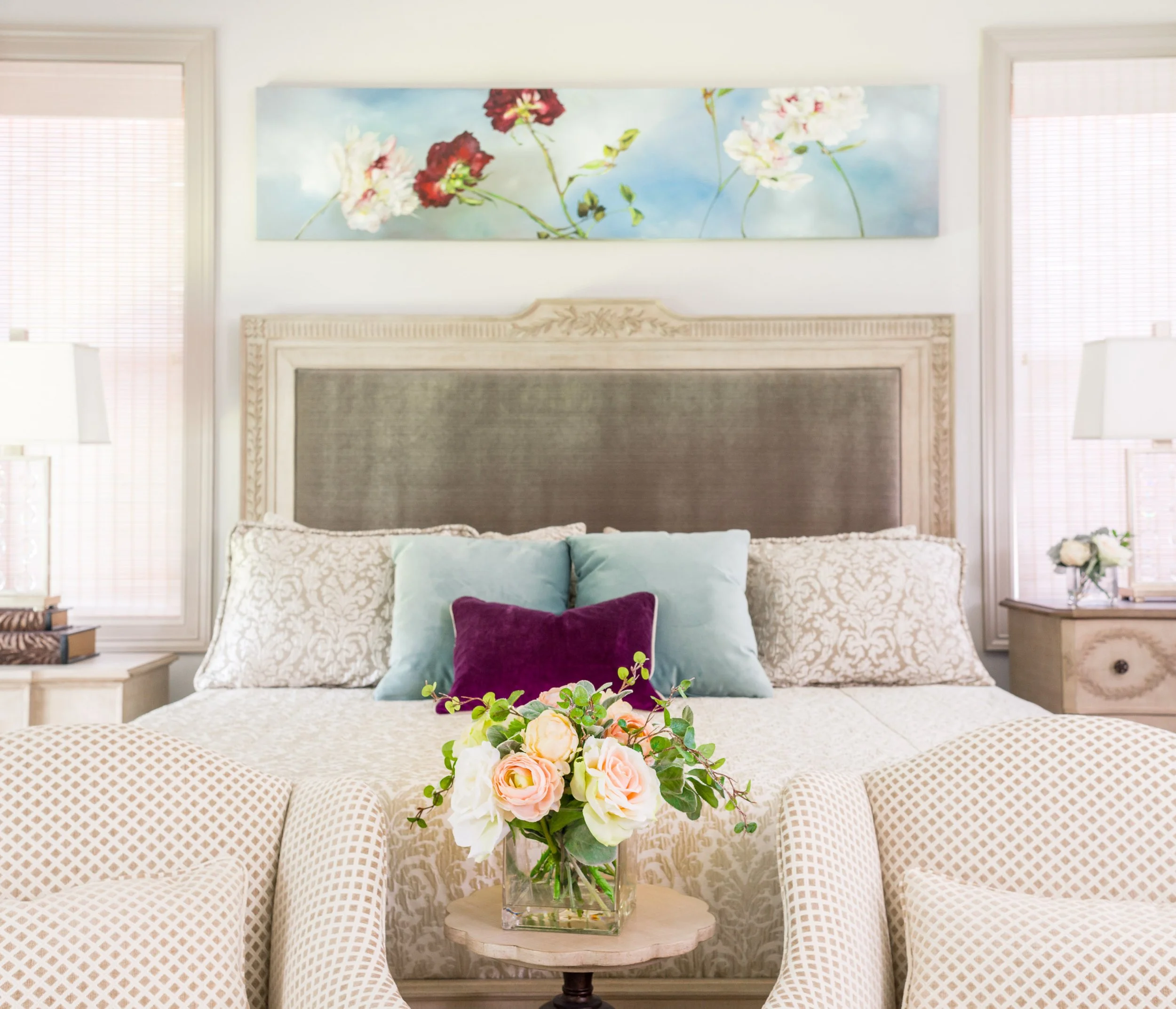
The most important rule when decorating with vintage pieces is to edit. Too many vintage items in one room can start to feel heavy or themed. Balance is everything.
Pair ornate pieces with simpler ones. Mix dark wood with lighter fabrics. Use contemporary art near traditional furniture. Mix it up thoughtfully for an interesting but not overdone aesthetic. Vintage elements should make your home feel collected, not crowded.
Edit So the Room Still Feels Fresh
Final Thoughts
Adding vintage elements to your home is not about recreating the past. It is about bringing character, craftsmanship, and personal history into the way you live today.
Whether you start with a small bamboo tray, a vintage rug, a family heirloom, or a fabulous antique chest, the right piece can make a room feel warmer, more layered, and far more interesting. When old and new are mixed well, the result is timeless — and uniquely yours.
We are off to our next design project.
Fondly,
Pamela Hope Designs
Meet Pamela
A LUXURY INTERIOR DESIGNER IN HOUSTON
Pamela O’Brien is the founder of Pamela Hope Designs in Houston, Texas. Pamela is an award-winning luxury interior designer, writer, and speaker. Prior to founding Pamela Hope Designs, Pamela served as a spokesperson in media and public affairs, working with media outlets like Dateline NBC and 48 Hours. This experience allowed her to travel the world and furthered her love for travel, culture, and interior design. After attending an executive course at the Harvard Graduate School of Design, Pamela launched her own interior design firm full-time. Pamela is known for building strong relationships with her clients, who later become friends and collaborators. She is highly influential in the Houston interior design space and shows no signs of slowing down.
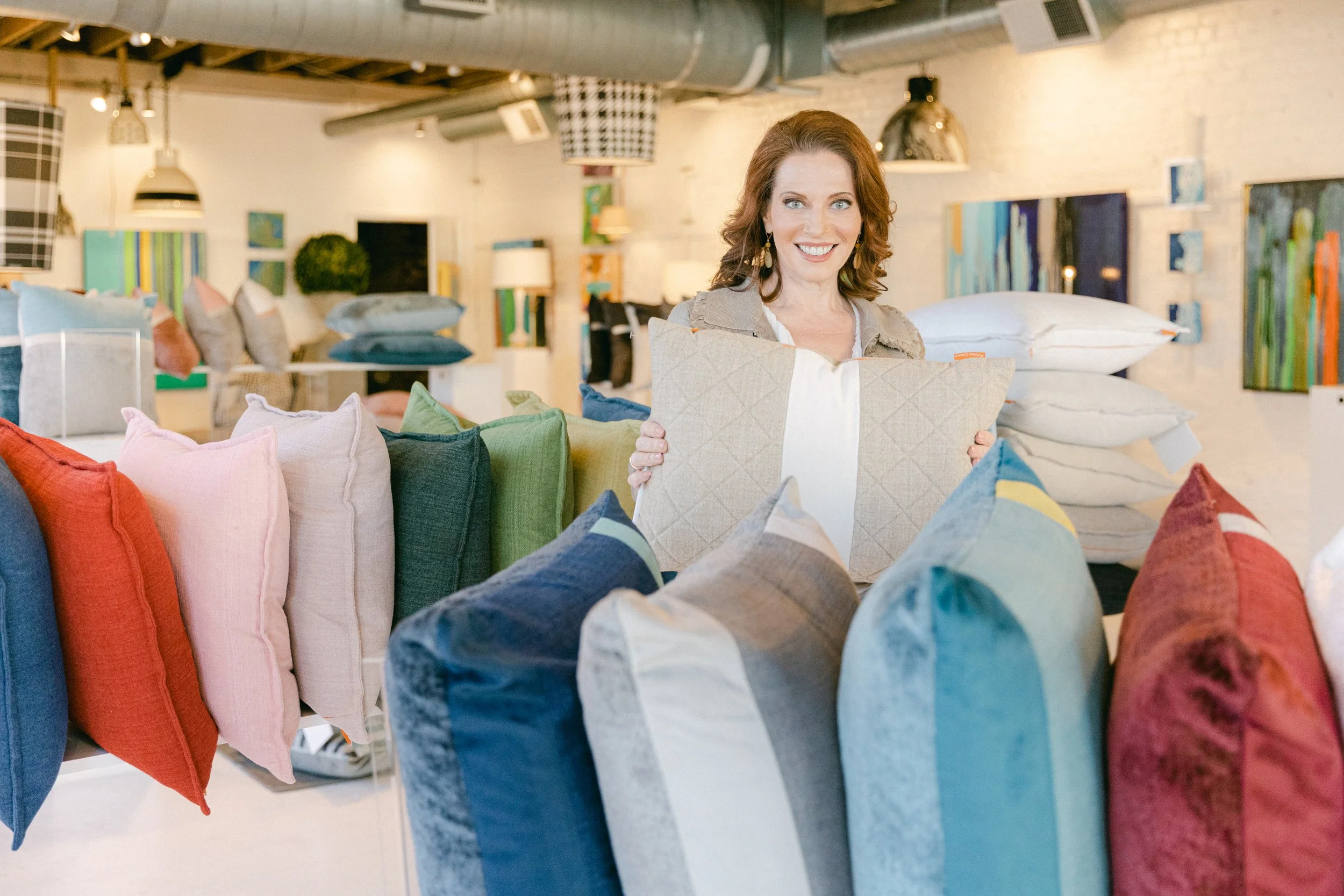

Meet Danna
A LUXURY INTERIOR DESIGNER IN HOUSTON
Danna Smith has more than 30 years of experience in the design industry. She has been a buyer and merchandiser for four luxury showrooms in Houston and Dallas. Smith teaches an evening course at Houston Community College to nurture her passion for developing future design stars. Since joining Pamela Hope Designs in 2015, she has worked on some of her most beautiful and innovative projects yet.